DREAM Sheet
January 2007
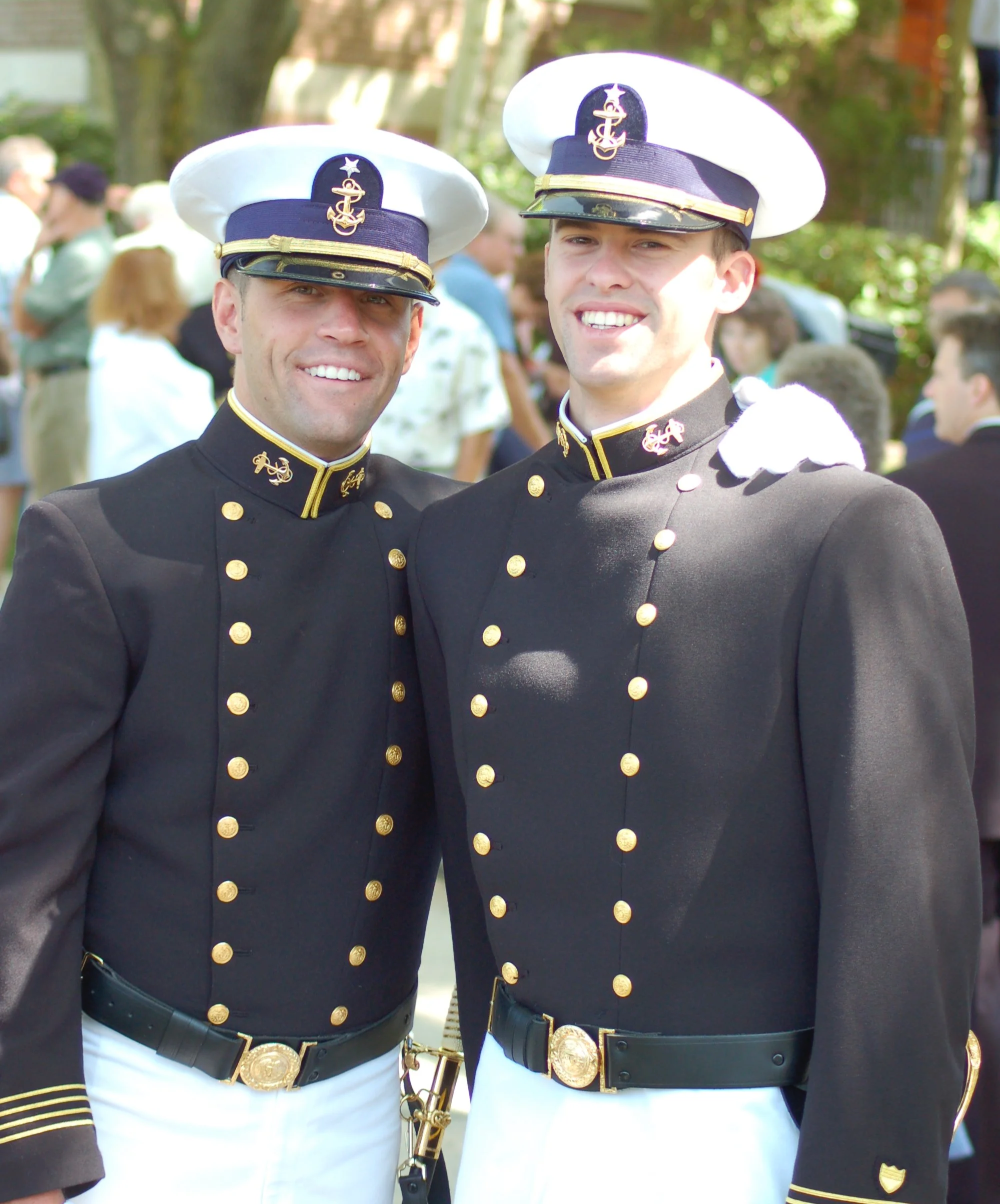
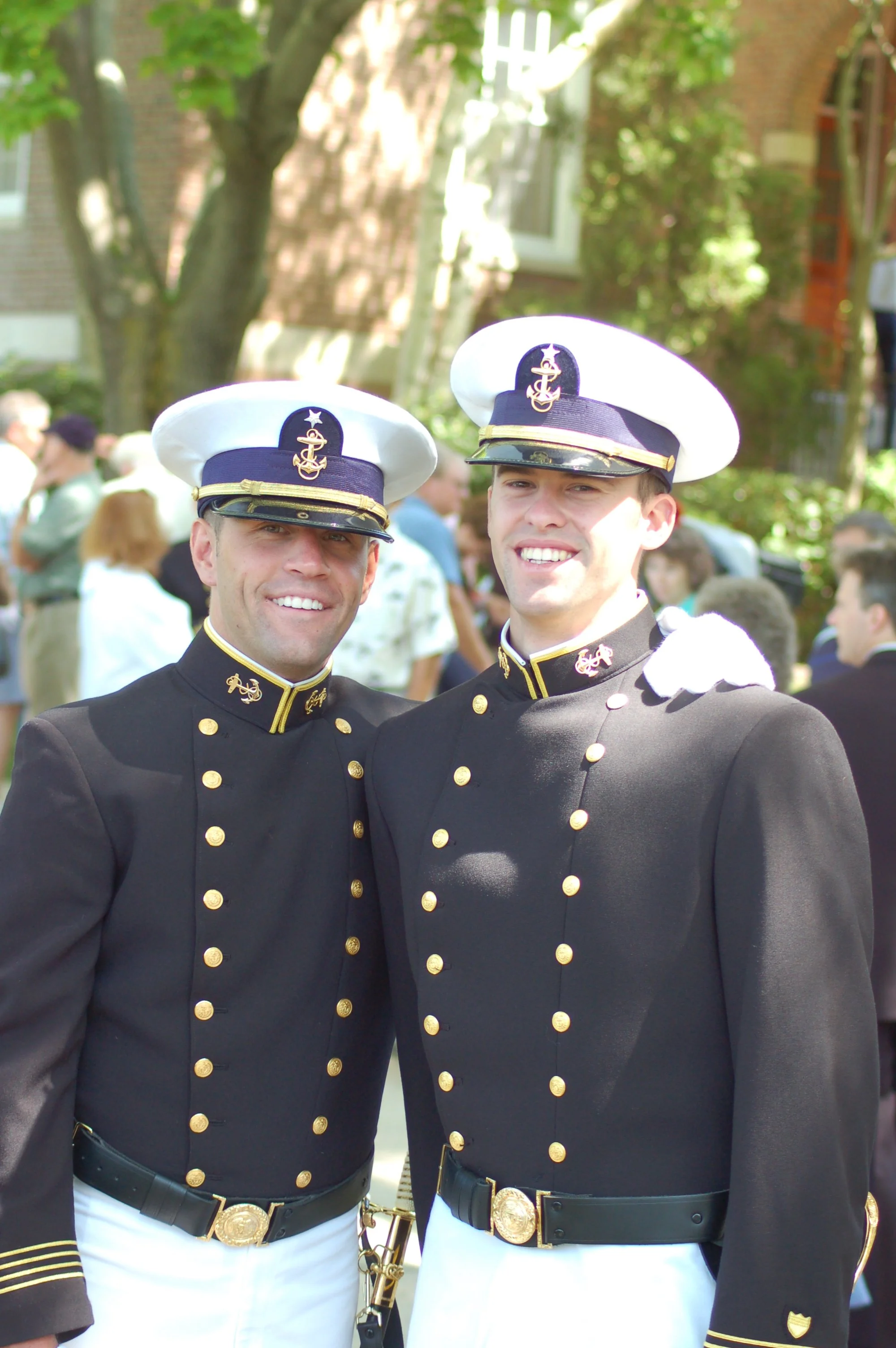
As soon as I get back from winter break, it is time to start working on my dream sheet for my first billet. For most people, the dream sheet is just about preference, but for me, it’s putting the only dream I’ve ever had on paper and letting someone else determine if I’m good enough to live out the only life I’ve imagined for myself. In practice, it’s pretty simple. Flight school is number one. After that, I defer to my best friend, Mike “Duby” Dubinsky. We were roommates fourth-class year and have grown very close. We have sat in the mud together through all the struggles, breakups, injuries, restrictions, him accidentally setting a trash can on fire and nearly burning down Chase Hall. All of it. Duby has always supported me, and I wouldn’t have made it this far without him. No matter where the Coast Guard sends me after the Academy, I know it will be better if we’re there together. We strike up a deal. Since I am putting flight school first, he can pick the rest of the dream sheet. Duby is also interested in being a pilot, and he is near the top of our class, but he tells me he would feel awful if he gets picked up for flight school and I don’t, so he doesn’t apply. It is a safe bet because I have no chance of going, but he believes in me and, despite the odds, encourages me to apply anyway. There is a lot of talk about dream sheets during this time, and everyone is jockeying for position for the best billets. Whenever anyone asks and I tell them I’m applying for flight school, they usually laugh and think I am joking.
There is a lot that goes into the flight school application. I have to write an essay about why I want to go to flight school. I need to get an endorsement from my Company Officer that talks about my potential as a pilot. I have to take the Aviation Selection Test Battery, or ASTB, which is a standardized exam designed to test a candidate’s potential for success in military aviation training. I need to get a special medical evaluation to ensure I will meet flight status. Lastly, I have to participate in an interview board. It seems like a daunting list of tasks with rejection lurking at every moment.
The essay is pretty simple. My reason for wanting to be a pilot has been made clear. I want to be able to reach down and pull people out of the water when they need a miracle. I have seen what it looks like when that miracle never comes, and I can never forget that. It is an idealistic view, but it’s true. It’s not about career progression, a challenge, avoiding going to a cutter, or some other sense of accomplishment. I want to be a pilot “so others may live.”
I ask my Company Officer to send the endorsement, and he happily obliges. I never see what he writes, but he tells me once he has submitted it to the board.
The ASTB is concerning. If there is one thing I have proven during my time at the Academy, it’s that I don’t excel at academics. Luckily, there are test guides, and I take practice exams nearly every day. I also have a good friend on the hockey team who is a genius and has his private pilot’s license. He agrees to tutor me and helps me with the practice exams. I spend countless hours studying because I know how important this exam is. Nervously, I take the exam, and it is tough. There’s math, reading, mechanical problems, and a bunch of aviation-specific problems. I nearly run out of time in every section, and I am convinced I’ve failed it.
I take the medical evaluation, and everything seems fine. Part of the evaluation is anthro, where they measure every part of me to make sure I can fit in a cockpit and will be able to reach all the various controls and switches. They sit me in a chair and measure my legs. They have me extend my arms. They test finger dexterity and make notes on all the different metrics. They measure everything. A couple of days later, I get a message that I failed anthro and need to get retested. My arms are too short. I am devastated. I am convinced that my dreams of being a pilot have ended, and I nearly spiral. I guess it’s better this way. I will never have to sit in front of a board and be accountable for my poor performance. I will never have a chance to be rejected or fail out of flight school. My T. rex arms will forever keep being a pilot just out of reach.
After a sleepless night, I return to get measured. They tell me that my arms are too short. The last time they measured my arms, I was told to have my arms extended in front of me and break at the wrists, with my palms facing me and my fingers pointed at the floor. I remember my previous instructions and assume the position. The corpsman looks puzzled and asks why my hands are like that. I tell him that’s how they measured last time. He double-checks the manual and tells me my hands and fingers are supposed to be extended straight out. I pass the arm measurement with flying colors. Crisis averted.
Now I just have to survive the interview. On paper, I am a terrible candidate. I know that. The board knows that. Everybody knows that. I also know everyone else getting interviewed has been at the top of the class and are the type of top performers the board is looking for. I’m not fooling anyone, so I decide the only strategy is to be myself and hope for the best. I attempt to convince myself that at least I gave it my best shot, and the worst they can do is tell me no. I wait nervously outside the conference room before being called in. One of the pilots opens the door, and I request permission to come aboard. Once inside, the board members introduce themselves. Captain Pettitt starts off. He is the Coast Guard Liaison Officer in Pensacola, Florida, and he seems friendly and laid-back. Next is one of the Academy Company Officers, who is a pilot. The next Lieutenant Commander seems strange and awkward, and he introduces himself as a fixed-wing pilot. I try not to look disgusted when he tells me. The other pilot is a Lieutenant from Cape Cod.
Captain Pettitt starts off. “First Class Matthews, do you have any questions before we start?”
“No, sir.”
“Alright, sounds good. Who would like to get us started?”
The weird fixed-wing guy seems super eager and immediately fires off with, “I’ll start us off, Captain. First Class Matthews, could you please tell us a little bit about your conduct record?” Then I see it, printed off in all its glory, a novel of misgivings and tribulations. I think of the coups, the gentlemen’s club mishap, the alcohol incident, all laid out there in plain sight.
Without any thought, I blurt out, “Well, sir, that depends on how much time we have for this interview.” I immediately regret it, but then I see Captain Pettitt try to hold back a chuckle before bursting out laughing. The rest of the board immediately lightens up and laughs along with him.
Then I continue, “I have made a lot of mistakes, and I had a lot of growing up to do. I would love to tell you that I regret everything, but I needed some of those mistakes to grow up. They forced me to become better. I am grateful that I have been given second and third chances that I frankly didn’t deserve, but I have been committed to doing better.”
After that, I get many of the normal interview questions. We talk about my essay and how I want to save lives. We discuss how my only goal is to make a career of flying helicopters. I explain how I became Company Commander only because nobody else wanted it. For the final question, the Company Officer asks, “Why do you think you deserve to go to flight school?”
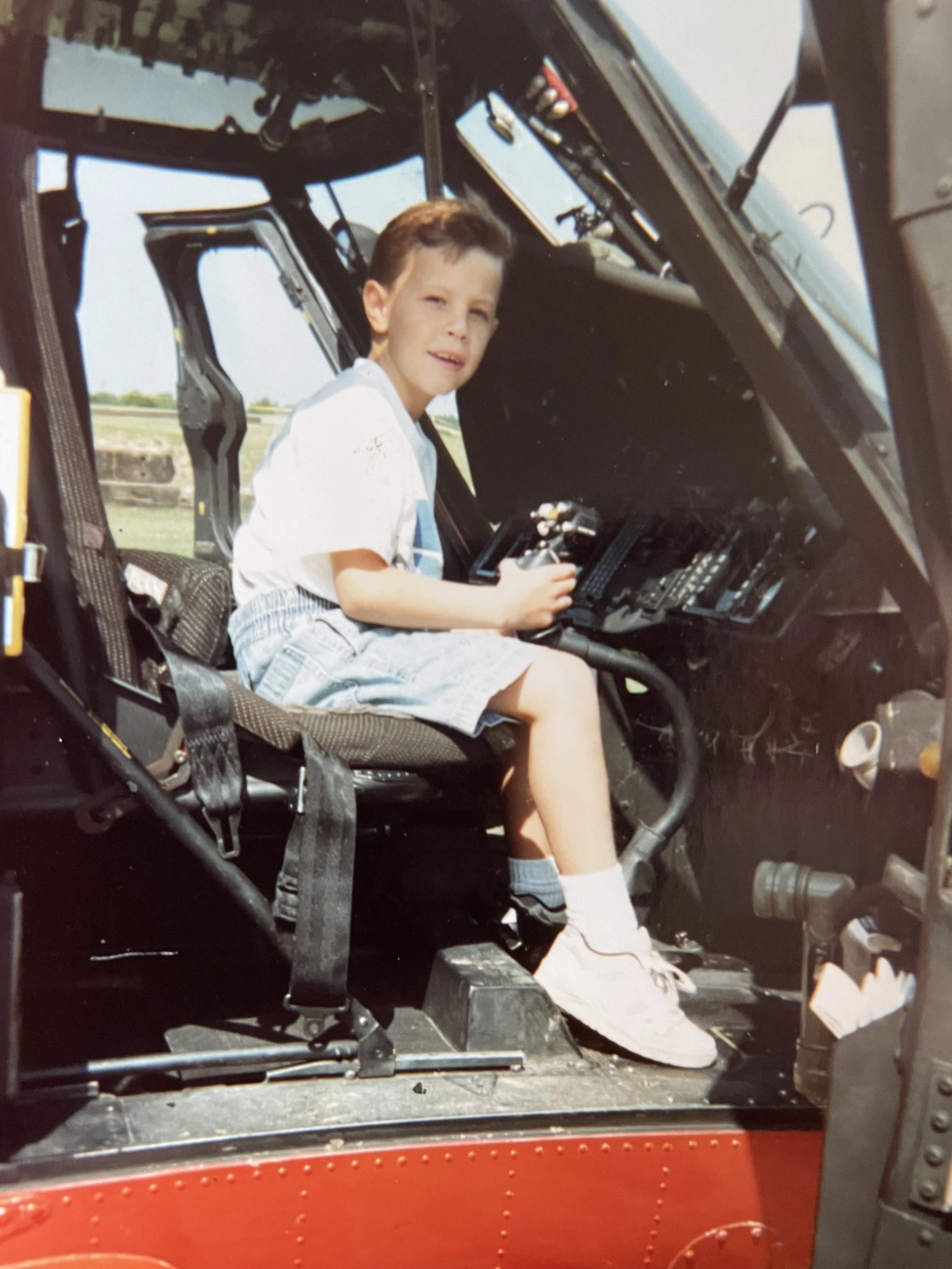
“I don’t. Every single person you have interviewed deserves it more than me. Almost everyone at the Academy has proven that they deserve it more than I do. They worked harder, studied harder, performed better, and got in a lot less trouble. I can’t sit here and tell you I earned a spot. What I can tell you is that even though it might not look like it, I want to be a pilot more than anyone. It is the only thing I have ever wanted to do with my life, and if I am given that chance, I will do everything I can to make everyone proud.” I pull out the picture of me sitting in the helicopter on Coast Guard Day and show it to them. “It’s been the only dream I’ve ever had, and even if I don’t get accepted to flight school now, I will keep trying over and over again until I make it.”
I thank them for giving me a chance, shake hands, and walk out.
I am not sure if my honesty helped me or destroyed me, but it is out of my hands now.